Article
Becoming the Ultimate Design Collector
September 23, 2026
One of my favorite things to do is buy a new LEGO set. My latest build was the Back to the Future DeLorean with Marty and Doc. Whenever someone sees my collection, the reaction is usually the same: “Dang, that’s a lot of LEGOs,” followed by a jealous sound, “that’s cool”.
It used to take me hours just to build a tiny set. Now? I can knock one out in 20 or 30 minutes. The pieces are the same, but after years of collecting, I spot patterns. I know how it all fits together.
Design can be the same way.
When I first started in product design, I was the jealous one. How the heck did they make that? Where are they getting those beautiful mockups? Did they make them from scratch? The reveal was always the same — they didn’t entirely start from scratch. They had a collection of patterns, components, and inspiration they drew from.
Starting a new project? You want to make something original. Nobody wants to feel like a copycat.
But here’s the thing: most digital products use similar patterns. Jakob’s Law states that “Users spend most of their time on other sites. This means that users prefer your site to work the same way as all the other sites they already know.”
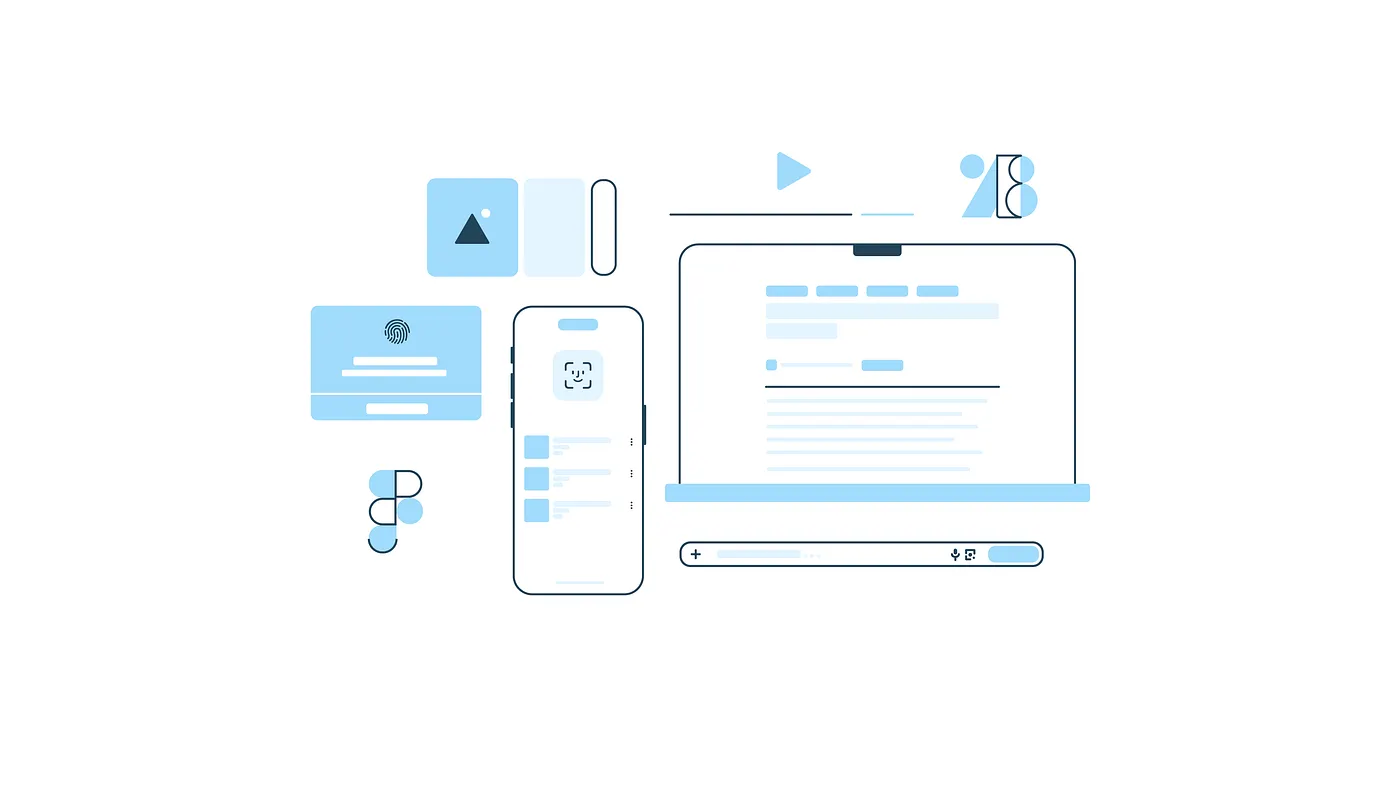
I collect things like nav bars, search, cards, feeds, forms, and other common design elements. You can organize these by bookmarking them, favoriting them in Figma or whatever software you use, saving them to a folder on your computer, or by organizing them in a Figma file with elements. The creativity isn’t in making an innovative new navigation structure that nobody has seen before. It’s in how you use what’s already there to shape the user’s experience.
Take streaming platforms. They share many similarities: hero banners, content rails, thumbnails, search. What actually makes them different? Branding, motion, content, strategy.
If every platform tried to be ‘innovative’ and did things in totally different ways, users would lose their minds. People need patterns. It’s why every grocery store has the same basic layout. Familiarity makes life easier.
What’s the benefit of collecting? When you start thinking like a collector, everything speeds up.
You can kick off designs and entire work streams faster because you’re not staring at a blank canvas, wondering where to begin. You already have patterns, components, and references you trust. Instead of inventing things that may not make sense, you’re refining them to fit your project.
You also feel more inspired when building. Momentum replaces hesitation. There’s a different energy when you’re assembling strong pieces instead of scrambling to create every single one from scratch.
And maybe most importantly, you’re constantly learning from designers with far more experience than you. Every pattern you reuse has been debated, improved, and shipped in the real world. Every product is different and has different users, so testing these collected items in your product is crucial to your product’s success; what may have worked for one product may not work for yours.
How do you collect? Keep it organized. You want to find things fast when you need them. Folders in your browser, folders on your computer; whatever works. I look for things like: Common patterns, component libraries, processes, and documentation. You build your collection over time, just as I do with my LEGO stash. It doesn’t happen overnight. Some things take one Google search. Others take hours hunting for something that actually fits their standards and budget. The simple goal is to find things you might reuse. The Apple UI kits are a great example for working on Mac and IOS projects.
Being a collector doesn’t make you any less creative. Creating things like buttons and other common components from scratch is extremely time-consuming. In product design, we have to move fast and produce excellent work; being a collector helps us do that.
The more patterns you recognize, the faster you build. And eventually, you won’t be the designer wondering how others move so quickly.
You’ll be the one people turn to when they need an expert.